

Effective carpenter bee predators for natural control
Carpenter bees can wreak havoc on outdoor wood structures, boring holes that weaken decks, fences, and siding. While chemical pesticides offer quick fixes, they harm beneficial insects and disrupt your garden ecosystem. Natural pest control through predators provides a sustainable alternative that protects your property without toxic side effects. Understanding which predators effectively target carpenter bees helps you create a balanced outdoor environment where nature does the heavy lifting. This guide explores the birds, insects, and other creatures that naturally reduce carpenter bee populations, plus practical strategies to attract these helpful allies to your yard.
Table of Contents
- How To Evaluate Carpenter Bee Predators For Natural Control
- Top Natural Predators Of Carpenter Bees
- Comparison Of Carpenter Bee Predators: Effectiveness And Suitability
- Maximizing Natural Carpenter Bee Control Through Predator Support
- Discover Effective Carpenter Bee Traps And Eco-Friendly Solutions
- FAQ
Key takeaways
| Point | Details |
|---|---|
| Multiple bird species hunt carpenter bees | Woodpeckers, bluebirds, and tanagers actively feed on adult bees and larvae |
| Beneficial insects provide targeted control | Certain wasps and spiders naturally prey on carpenter bees in gardens |
| Predator comparison guides selection | Effectiveness varies by species, environment, and homeowner risk tolerance |
| Eco-friendly support boosts results | Native plants, water sources, and pesticide-free practices attract predators |
How to evaluate carpenter bee predators for natural control
Choosing the right natural predators starts with understanding what makes certain species effective against carpenter bees. Not all predators hunt with equal intensity, and some may not fit your specific garden conditions or safety requirements. Effectiveness depends on whether the predator’s diet includes adult carpenter bees, larvae, or both. Birds that actively seek out wood-boring insects deliver consistent results, while opportunistic feeders provide sporadic control.
Safety considerations matter tremendously when introducing or encouraging predators near your home. You need species that won’t threaten children, pets, or other beneficial insects like honeybees and butterflies. Predators that hunt exclusively on carpenter bees without disturbing your garden’s ecological balance offer the best value. Some species may require specific habitat features you can’t easily provide, limiting their practical use.
Predator availability in your region determines which options you can realistically encourage. Native species already adapted to your climate and ecosystem establish themselves more reliably than introduced varieties. Carpenter bees provide concentrated energy to predators during breeding seasons, making them especially attractive to birds raising young. Understanding this seasonal behavior helps you time habitat improvements for maximum impact.
Pro Tip: Observe your yard during early morning hours in spring to identify which predators already visit naturally, then focus your efforts on supporting those established species rather than trying to attract entirely new ones.
Consider these evaluation factors when selecting predators:
- Hunting frequency and carpenter bee consumption rates
- Compatibility with existing garden wildlife and plants
- Habitat requirements you can reasonably provide
- Risk level to household members and desirable insects
Combining evaluation criteria with your specific property conditions leads to smarter predator choices. A shaded woodland garden suits different predators than a sunny suburban yard. Match predator needs to what your landscape naturally offers, and supplement with simple carpenter bee traps where predator activity alone won’t suffice.
Top natural predators of carpenter bees
Several bird species stand out as exceptional carpenter bee hunters. Woodpeckers use their powerful beaks to excavate carpenter bee tunnels, extracting larvae directly from wood. Downy woodpeckers and hairy woodpeckers both target these protein-rich insects, especially during nesting season when they need high-energy food for their young. Bluebirds catch adult carpenter bees mid-flight with impressive aerial agility, while tanagers snatch them from flower blossoms during foraging runs.
Carpenter bees are rich in protein and fats, making them valuable food sources that birds actively seek. Purple martins and other swallow species consume carpenter bees as part of their insect-heavy diet, though they prefer smaller flying insects. Shrikes occasionally impale carpenter bees on thorns or barbed wire, storing them for later consumption. These diverse hunting strategies mean multiple bird species can work together to reduce your carpenter bee population from different angles.
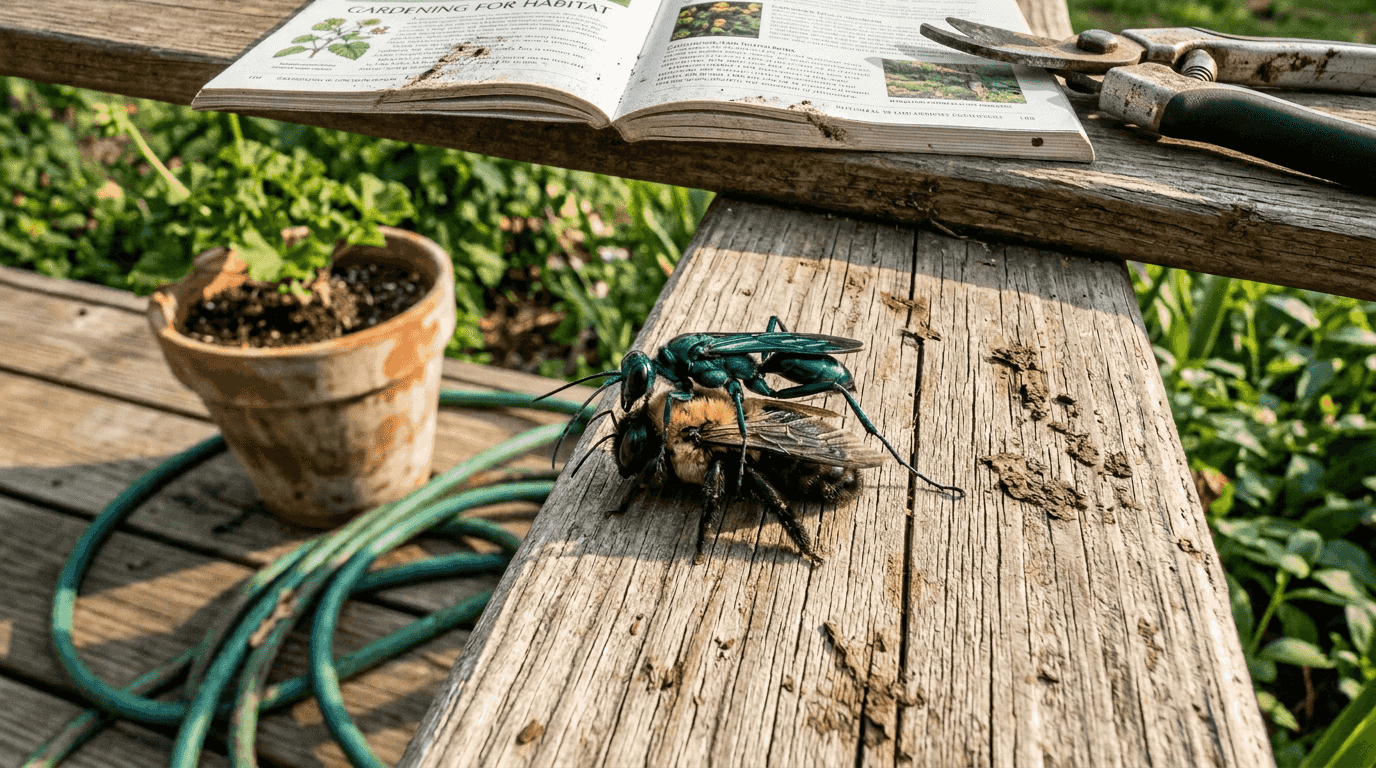
Insect predators offer focused control without the noise or mess associated with bird activity. Certain solitary wasps, particularly the great black wasp, hunt carpenter bees to provision their nests. Female wasps paralyze carpenter bees and drag them into underground burrows where wasp larvae consume them alive. Robber flies intercept carpenter bees during flight, using their piercing mouthparts to drain body fluids. Orb weaver spiders and jumping spiders catch carpenter bees in webs or ambush them on flowers.
Pro Tip: Install a shallow bird bath with rocks for perching to attract more insect-eating birds without creating mosquito breeding grounds, refreshing the water every two days.
| Predator Type | Primary Target | Hunting Method | Garden Impact |
|---|---|---|---|
| Woodpeckers | Larvae in wood | Excavation | Moderate noise, visible holes |
| Bluebirds | Adult bees | Aerial capture | Minimal disturbance |
| Solitary wasps | Adult bees | Paralysis/provisioning | Low human interaction |
| Spiders | Adult bees | Web trapping | Balanced insect control |
Mammals and reptiles contribute less predictably to carpenter bee control but shouldn’t be overlooked. Bats consume flying insects at dusk, including carpenter bees returning to their tunnels. Lizards stationed near bee activity zones snap up individuals that land on warm surfaces. Shrews and mice occasionally raid exposed carpenter bee nests for larvae, though they’re not specialized predators. Supporting diverse wildlife through habitat improvements at K9 NOX ARTISAN CRAFTS creates multiple control layers that work synergistically.
Comparison of carpenter bee predators: effectiveness and suitability
Birds deliver the most visible and consistent carpenter bee control for most homeowners. Their daytime activity lets you observe results directly, and many species readily adapt to suburban environments with minimal habitat modifications. However, woodpeckers may damage wood siding while hunting for larvae, and their drumming can disturb early morning peace. Bluebirds require specific nesting boxes with proper entrance hole sizes, and competition from invasive species like starlings can limit their success.
Carpenter bees provide concentrated energy to birds, especially during breeding seasons when nutritional demands peak. This makes spring and early summer the most effective periods for bird-based control. Birds also consume a wide variety of insects beyond carpenter bees, providing broader pest management benefits. Their presence adds aesthetic value through song and color, making them the most appealing option for many homeowners.
Wasps offer surgical precision in targeting carpenter bees but come with safety trade-offs. Solitary wasps rarely sting humans and focus exclusively on hunting prey rather than defending territory. They require bare soil patches for nesting and won’t thrive in heavily mulched gardens. Parasitic wasps lay eggs inside carpenter bee larvae, killing them from within over several weeks. This delayed action means you won’t see immediate population drops, but long-term suppression improves steadily.
| Predator Category | Effectiveness Rating | Best Garden Type | Safety Considerations |
|---|---|---|---|
| Woodpeckers | High for larvae | Wooded/semi-wooded | Potential property damage |
| Bluebirds | Medium for adults | Open yards with boxes | Safe, family-friendly |
| Solitary wasps | High for adults | Gardens with bare soil | Minimal sting risk |
| Spiders | Low to medium | Diverse plantings | Completely safe |
Spiders maintain balanced insect populations but lack the focused intensity of birds or wasps. They catch whatever insects wander into their webs or hunting range, meaning carpenter bee control happens incidentally rather than systematically. Garden spiders thrive in pesticide-free environments with varied plant heights that support web construction. Their presence indicates a healthy ecosystem but shouldn’t be your primary control strategy.
Choosing suited predators depends on your garden’s existing conditions and your comfort level with various species. A yard already frequented by woodpeckers benefits from adding suet feeders and dead snags for nesting. Properties near meadows or prairies naturally attract bluebirds and benefit from effective carpenter bee traps positioned along fence lines. Urban gardens with limited space might rely more on spiders and small wasps that need less territory.
Maximizing natural carpenter bee control through predator support
Attracting and sustaining carpenter bee predators requires deliberate habitat improvements that address their basic survival needs. Water sources rank among the most critical features, especially during hot summer months when natural sources dry up. Install shallow dishes with pebbles or sloped edges that let birds and insects drink safely without drowning. Position water features near cover so predators feel secure while drinking, and clean them weekly to prevent disease transmission.
Native plants create the foundation for robust predator populations by supporting the entire food web. Choose species that bloom sequentially from spring through fall, providing continuous nectar and pollen that attract insects predators need beyond carpenter bees. Layered plantings with ground covers, shrubs, and small trees offer nesting sites and hunting perches at multiple heights. Carpenter bees offer dense nutrition valuable to predator birds, but those birds also need diverse food sources throughout the year to maintain stable populations.
Chemical insecticides devastate beneficial predator populations faster than they control carpenter bees. A single application of broad-spectrum pesticide kills spiders, parasitic wasps, and insect-eating birds’ food sources for weeks or months. Even targeted treatments create dead zones where predators won’t hunt. Commit to pesticide-free practices for at least one full season to let predator populations rebuild naturally.
Pro Tip: Leave a small section of your yard slightly wild with fallen logs, leaf litter, and unmowed areas to create overwintering sites for beneficial insects and hunting grounds for predators.
Follow these steps to build predator-friendly habitat:
- Audit your property for existing predator activity and identify species already present
- Install species-appropriate nesting structures like bluebird boxes or bat houses
- Plant native flowers, shrubs, and trees that support local insect populations
- Create water features with safe access for birds, insects, and small mammals
- Eliminate pesticide use and switch to mechanical controls like traps
- Monitor predator activity monthly and adjust habitat features based on observations
“The best pest control strategy works with nature rather than against it. When you support natural predators, you create a self-sustaining system that improves over time instead of requiring constant intervention.”
Seasonal adaptation keeps your predator support strategy effective year-round. Spring demands focus on nesting habitat as birds establish territories and raise young. Summer requires reliable water and shade for heat-stressed predators. Fall cleanup should leave seed heads and dried plant material that shelter overwintering insects predators need. Winter feeding through suet and seed supports resident birds that will hunt carpenter bees come spring. Explore natural pest control products that complement your habitat improvements without disrupting predator activity.
Discover effective carpenter bee traps and eco-friendly solutions
While natural predators provide excellent long-term carpenter bee control, combining biological methods with targeted trapping delivers faster results. Specialized carpenter bee traps capture adults before they excavate new tunnels, reducing the population predators need to manage. This integrated approach protects your wood structures immediately while predator populations establish themselves and multiply.
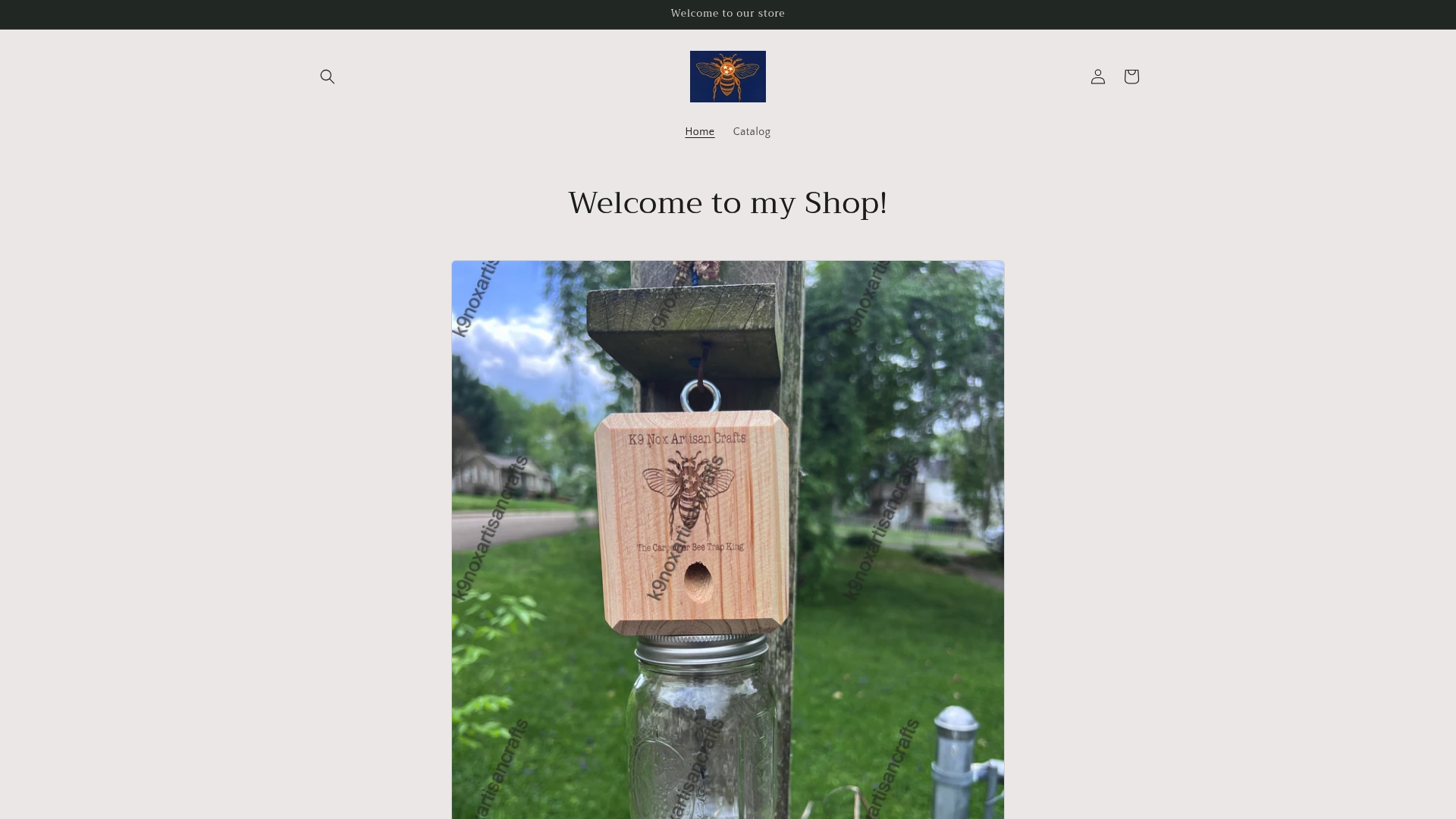
Explore simple carpenter bee traps designed to work alongside your predator strategy without harming beneficial insects. These handcrafted solutions use carpenter bee behavior patterns to lure them away from your structures into collection chambers. Combining traps with habitat improvements for woodpeckers, bluebirds, and beneficial wasps creates layered defense that adapts to seasonal bee activity. Find complete eco-friendly pest control products at K9 NOX ARTISAN CRAFTS that support your commitment to natural, sustainable outdoor wood protection.
FAQ
What animals eat carpenter bees?
Woodpeckers, bluebirds, and some wasps eat carpenter bees as regular parts of their diets. Woodpeckers excavate tunnels to reach larvae, while bluebirds catch adults in flight. Great black wasps hunt carpenter bees to provision their nests. Spiders, shrikes, and purple martins also consume carpenter bees opportunistically when they encounter them during normal foraging.
How can I attract natural predators to my garden?
Offer native plants that bloom throughout the growing season to support diverse insect populations predators need. Install clean water sources with safe perching spots like rocks or sloped edges. Avoid all pesticides that kill beneficial insects and disrupt food chains. Add nesting structures appropriate for your target species, such as bluebird boxes with 1.5-inch entrance holes or bare soil patches for ground-nesting wasps.
Are carpenter bee predators safe for children and pets?
Most bird predators like woodpeckers and bluebirds pose zero threat to children or pets. Solitary wasps that hunt carpenter bees rarely sting and aren’t aggressive toward humans. Spiders in gardens focus on catching insects and avoid human contact. Exercise normal caution around any wasp nests, teaching children to observe from a distance. Avoid encouraging large colonies of social wasps, which defend nests aggressively unlike solitary species.
How long does it take for predators to reduce carpenter bee populations?
Visible carpenter bee reduction typically appears within one full season after establishing predator habitat. Birds and wasps need time to discover your property as a reliable food source and establish hunting patterns. Initial population drops of 30 to 40 percent occur in year one, with continued improvement in subsequent years as predator numbers increase. Combining predators with traps accelerates results, often showing noticeable decreases within weeks.
Can I use predators and traps together for carpenter bee control?
Combining natural predators with mechanical traps creates the most effective carpenter bee management system. Traps capture adults immediately, preventing new tunnel excavation while predator populations build. Position traps away from bird feeders and nesting boxes to avoid accidentally catching predators. This integrated approach reduces carpenter bee numbers quickly while establishing long-term biological control that requires minimal ongoing intervention.